Documentary Editing Workshop with Chris King - Editor of Senna and Amy . London 7-8 November
Choreography & Movement Direction for FILM and TV Workshop FRANCESCA JAYNES London 16-17 January


PHILIPPE ROUSSELOT

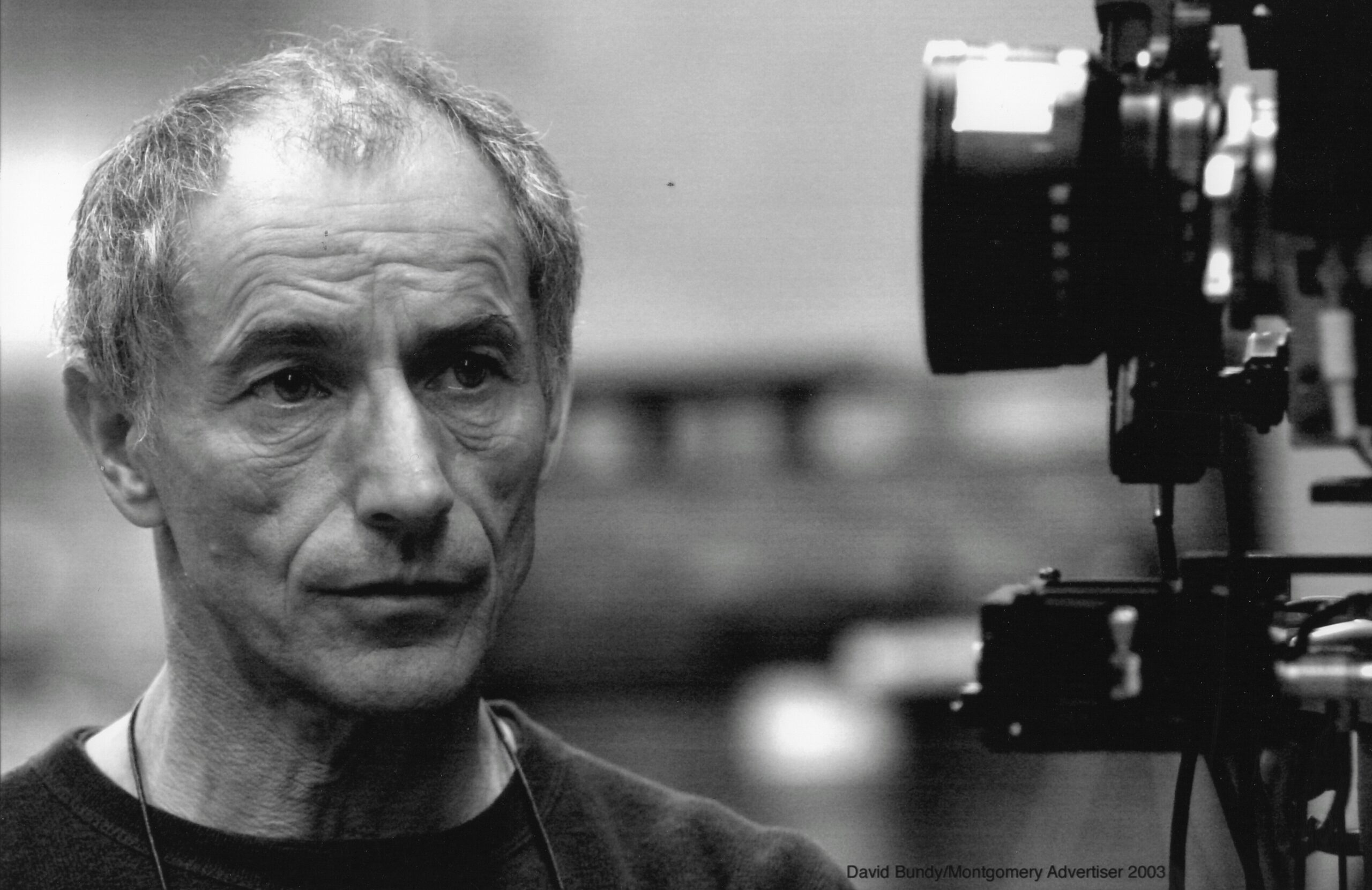
DURATION: 2 days HOURS
24/25 . 04 . 2027
LOCATION: Madrid, Spain
PRICE: 599EUR
VACANCES: 25
CONTACT: filmlab@fest.pt
CINEMATOGRAPHY WORKSHOP WITH PHILIPPE ROUSSELOT
Visual Language, Light & the Art of Cinematic Presence
Registrations opening soon
ABOUT PHILIPPE ROUSSELOT
Philippe Rousselot, ASC, AFC is an Academy Award winning cinematographer, BAFTA winner, three-time César Award winner, and one of the most significant cinematographers in contemporary cinema. Across a career spanning more than five decades, he has helped shape the visual identity of landmark films,
Early in his career, he worked as an assistant to the legendary cinematographer Néstor Almendros on films directed by Éric Rohmer, including My Night at Maud’s, Claire’s Knee, and Chloe in the Afternoon. Rousselot’s work quickly expanded into major international cinema. He photographed John Boorman’s Hope and Glory, earning an Academy Award nomination for Best Cinematography and winning the British Society of Cinematographers Award. The film itself became one of the most acclaimed British films of the period, receiving multiple Academy Award nominations including Best Picture, Best Director, Best Original Screenplay, and Best Cinematography.
His collaboration with Stephen Frears on Dangerous Liaisons further consolidated his standing as one of the leading cinematographers of his generation. The film was nominated for seven Academy Awards. Rousselot’s cinematography was nominated by the American Society of Cinematographers, and he also received a BAFTA nomination for Best Cinematography for the film. In 1990, Rousselot received another Oscar nomination for Best Cinematography for Philip Kaufman’s Henry & June, before winning the Oscar for Best Cinematography for Robert Redford’s A River Runs Through It.
His work with Neil Jordan on Interview with the Vampire remains one of the most visually memorable achievements in modern gothic cinema. Rousselot won the BAFTA Award for Best Cinematography for the film, as well as a British Society of Cinematographers Award, demonstrating his extraordinary ability to combine atmosphere, spectacle, darkness, and emotional presence.
Throughout the 1990s and 2000s, Rousselot continued to move between European auteur cinema and major international productions. He photographed Patrice Chéreau’s La Reine Margot, for which he won his third César Award for Best Cinematography; Miloš Forman’s The People vs. Larry Flynt; Neil Jordan’s The Miracle and The Brave One; and Stephen Frears’ Mary Reilly; Sydney Pollack’s Random Hearts. His filmography shows a remarkable breadth of collaboration across directors, genres, countries, and production scales.
With Tim Burton, he photographed Planet of the Apes, Big Fish, and Charlie and the Chocolate Factory, contributing to some of Burton’s visually imaginative productions. He later worked with Guy Ritchie on Sherlock Holmes and Sherlock Holmes: A Game of Shadows, and with David Yates on Fantastic Beasts and Where to Find Them and Fantastic Beasts: The Crimes of Grindelwald.
Over the course of his career, Rousselot has worked with filmmakers including Robert Redford, Tim Burton, Guy Ritchie, Stephen Frears, Patrice Chéreau, Neil Jordan, Shane Black, Miloš Forman, David Yates, Denzel Washington, John Boorman, Jean-Jacques Annaud, Jean-Jacques Beineix, Philip Kaufman, and Sydney Pollack.
He is known for developing and refining expressive soft-light techniques, including the use of Chinese lanterns mounted on booms to create a moving, naturalistic source that follows actors. His work has influenced how filmmakers think about colour, atmosphere, period light, actor-centred lighting, fantasy worlds, and visual storytelling across radically different cinematic contexts.
WORKSHOP DESCRIPTION
CINEMATOGRAPHY WORKSHOP WITH PHILIPPE ROUSSELOT
Visual Language, Light & the Art of Cinematic Presence
OVERVIEW
This two-day intensive workshop with Academy Award–winning cinematographer Philippe Rousselot explores cinematography as a language. Rather than a technical masterclass, the workshop focuses on decision-making: why we light the way we do, why we move the camera, why we choose restraint or boldness and how visual choices serve story, performance and atmosphere.
Philippe will examine the evolution of his visual thinking across different genres, directors and production scales.
DAY 1 – SEEING, CHOOSING, COMPOSING
SESSION 1 – The Cinematographer’s Eye
Topics that may be explored:
How does a cinematographer “see” a script?
Translating emotion into visual strategy
When to intervene, when to step back
Trusting instinct vs. overplanning
The relationship between light and narrative tone
Discussion of early career evolution and visual identity formation.
SESSION 2 – Case Study Block I
Visual Tone & Atmosphere
Exploration themes:
Creating atmosphere without excess
Naturalism vs stylisation
Working with candlelight and period lighting
Balancing romanticism with realism
Texture, shadow, restraint
Visual breakdown of selected scenes.
SESSION 3 – Collaboration with Directors
Topics:
The first conversation with a director
Establishing a shared visual language
Navigating disagreement
Working with strong visual auteurs
Adapting to different directing personalities
Discussion of how visual strategy shifts depending on directorial temperament.
SESSION 4 – Light as Emotional Architecture
Deep dive into:
Shaping faces
Controlling contrast
Sculpting space
Light and psychological depth
Simplicity vs complexity in lighting setups
Discussion of working with natural light vs fully controlled sets.
DAY 2 – MOVEMENT, RISK & EVOLUTION
SESSION 5 – Camera Movement & Rhythm
Topics:
When should the camera move?
Movement as emotional punctuation
Invisible camera vs expressive camera
Long takes vs fragmentation
Working with actors in motion
SESSION 6 – Scale & Adaptability
How cinematography changes across:
Intimate drama
Large studio productions
Action-driven narratives
Fantasy and heightened realities
Discussion of working within:
Budget constraints
Studio expectations
Evolving digital technologies
SESSION 7 – The Evolution of Cinematography
Topics:
From film to digital
What has changed — and what has not
Modern tools vs timeless principles
The danger of over-technical thinking
Maintaining artistic integrity in contemporary cinema
Open reflection on the industry’s visual evolution.
PROFILE OF PARTICIPANT
The workshop is designed for cinematographers, directors, camera operators, film students, visual artists, photographers, and filmmakers who want to deepen their understanding of cinematography as a creative and narrative language.
It is particularly suited for professionals interested in visual storytelling, lighting, composition, camera movement, collaboration with directors, and the relationship between image, atmosphere, performance and emotion.
WORKSHOP LOCATION
Madrid, Spain
Duration: 2 days
10:00 - 18:00
Dates: 24th - 25th of April 2027
Location: Madrid, Spain
Price: 599EUR (429EUR Until 13th of August)
Maximum number of participants: 25
By registering to the workshop you agree with FFL terms and Conditions
Please add our address to your email safe senders list, address book or contact list to avoid FEST e-mails in spam.
REGISTER FOR THIS WORKSHOP ON THE LINK BELOW
Visual Language, Light & the Art of Cinematic Presence
Registrations opening soon
ABOUT PHILIPPE ROUSSELOT
Philippe Rousselot, ASC, AFC is an Academy Award winning cinematographer, BAFTA winner, three-time César Award winner, and one of the most significant cinematographers in contemporary cinema. Across a career spanning more than five decades, he has helped shape the visual identity of landmark films,
Early in his career, he worked as an assistant to the legendary cinematographer Néstor Almendros on films directed by Éric Rohmer, including My Night at Maud’s, Claire’s Knee, and Chloe in the Afternoon. Rousselot’s work quickly expanded into major international cinema. He photographed John Boorman’s Hope and Glory, earning an Academy Award nomination for Best Cinematography and winning the British Society of Cinematographers Award. The film itself became one of the most acclaimed British films of the period, receiving multiple Academy Award nominations including Best Picture, Best Director, Best Original Screenplay, and Best Cinematography.
His collaboration with Stephen Frears on Dangerous Liaisons further consolidated his standing as one of the leading cinematographers of his generation. The film was nominated for seven Academy Awards. Rousselot’s cinematography was nominated by the American Society of Cinematographers, and he also received a BAFTA nomination for Best Cinematography for the film. In 1990, Rousselot received another Oscar nomination for Best Cinematography for Philip Kaufman’s Henry & June, before winning the Oscar for Best Cinematography for Robert Redford’s A River Runs Through It.
His work with Neil Jordan on Interview with the Vampire remains one of the most visually memorable achievements in modern gothic cinema. Rousselot won the BAFTA Award for Best Cinematography for the film, as well as a British Society of Cinematographers Award, demonstrating his extraordinary ability to combine atmosphere, spectacle, darkness, and emotional presence.
Throughout the 1990s and 2000s, Rousselot continued to move between European auteur cinema and major international productions. He photographed Patrice Chéreau’s La Reine Margot, for which he won his third César Award for Best Cinematography; Miloš Forman’s The People vs. Larry Flynt; Neil Jordan’s The Miracle and The Brave One; and Stephen Frears’ Mary Reilly; Sydney Pollack’s Random Hearts. His filmography shows a remarkable breadth of collaboration across directors, genres, countries, and production scales.
With Tim Burton, he photographed Planet of the Apes, Big Fish, and Charlie and the Chocolate Factory, contributing to some of Burton’s visually imaginative productions. He later worked with Guy Ritchie on Sherlock Holmes and Sherlock Holmes: A Game of Shadows, and with David Yates on Fantastic Beasts and Where to Find Them and Fantastic Beasts: The Crimes of Grindelwald.
Over the course of his career, Rousselot has worked with filmmakers including Robert Redford, Tim Burton, Guy Ritchie, Stephen Frears, Patrice Chéreau, Neil Jordan, Shane Black, Miloš Forman, David Yates, Denzel Washington, John Boorman, Jean-Jacques Annaud, Jean-Jacques Beineix, Philip Kaufman, and Sydney Pollack.
He is known for developing and refining expressive soft-light techniques, including the use of Chinese lanterns mounted on booms to create a moving, naturalistic source that follows actors. His work has influenced how filmmakers think about colour, atmosphere, period light, actor-centred lighting, fantasy worlds, and visual storytelling across radically different cinematic contexts.
WORKSHOP DESCRIPTION
CINEMATOGRAPHY WORKSHOP WITH PHILIPPE ROUSSELOT
Visual Language, Light & the Art of Cinematic Presence
OVERVIEW
This two-day intensive workshop with Academy Award–winning cinematographer Philippe Rousselot explores cinematography as a language. Rather than a technical masterclass, the workshop focuses on decision-making: why we light the way we do, why we move the camera, why we choose restraint or boldness and how visual choices serve story, performance and atmosphere.
Philippe will examine the evolution of his visual thinking across different genres, directors and production scales.
DAY 1 – SEEING, CHOOSING, COMPOSING
SESSION 1 – The Cinematographer’s Eye
Topics that may be explored:
How does a cinematographer “see” a script?
Translating emotion into visual strategy
When to intervene, when to step back
Trusting instinct vs. overplanning
The relationship between light and narrative tone
Discussion of early career evolution and visual identity formation.
SESSION 2 – Case Study Block I
Visual Tone & Atmosphere
Exploration themes:
Creating atmosphere without excess
Naturalism vs stylisation
Working with candlelight and period lighting
Balancing romanticism with realism
Texture, shadow, restraint
Visual breakdown of selected scenes.
SESSION 3 – Collaboration with Directors
Topics:
The first conversation with a director
Establishing a shared visual language
Navigating disagreement
Working with strong visual auteurs
Adapting to different directing personalities
Discussion of how visual strategy shifts depending on directorial temperament.
SESSION 4 – Light as Emotional Architecture
Deep dive into:
Shaping faces
Controlling contrast
Sculpting space
Light and psychological depth
Simplicity vs complexity in lighting setups
Discussion of working with natural light vs fully controlled sets.
DAY 2 – MOVEMENT, RISK & EVOLUTION
SESSION 5 – Camera Movement & Rhythm
Topics:
When should the camera move?
Movement as emotional punctuation
Invisible camera vs expressive camera
Long takes vs fragmentation
Working with actors in motion
SESSION 6 – Scale & Adaptability
How cinematography changes across:
Intimate drama
Large studio productions
Action-driven narratives
Fantasy and heightened realities
Discussion of working within:
Budget constraints
Studio expectations
Evolving digital technologies
SESSION 7 – The Evolution of Cinematography
Topics:
From film to digital
What has changed — and what has not
Modern tools vs timeless principles
The danger of over-technical thinking
Maintaining artistic integrity in contemporary cinema
Open reflection on the industry’s visual evolution.
PROFILE OF PARTICIPANT
The workshop is designed for cinematographers, directors, camera operators, film students, visual artists, photographers, and filmmakers who want to deepen their understanding of cinematography as a creative and narrative language.
It is particularly suited for professionals interested in visual storytelling, lighting, composition, camera movement, collaboration with directors, and the relationship between image, atmosphere, performance and emotion.
WORKSHOP LOCATION
Madrid, Spain
Duration: 2 days
10:00 - 18:00
Dates: 24th - 25th of April 2027
Location: Madrid, Spain
Price: 599EUR (429EUR Until 13th of August)
Maximum number of participants: 25
By registering to the workshop you agree with FFL terms and Conditions
Please add our address to your email safe senders list, address book or contact list to avoid FEST e-mails in spam.
REGISTER FOR THIS WORKSHOP ON THE LINK BELOW
Registrations opening soon